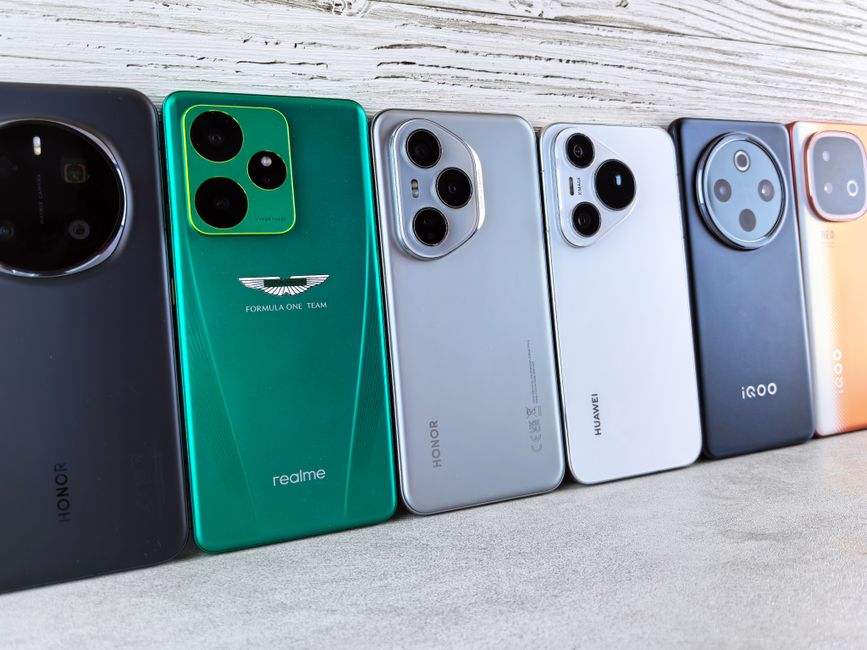
Smartphone Camera Specs Explained
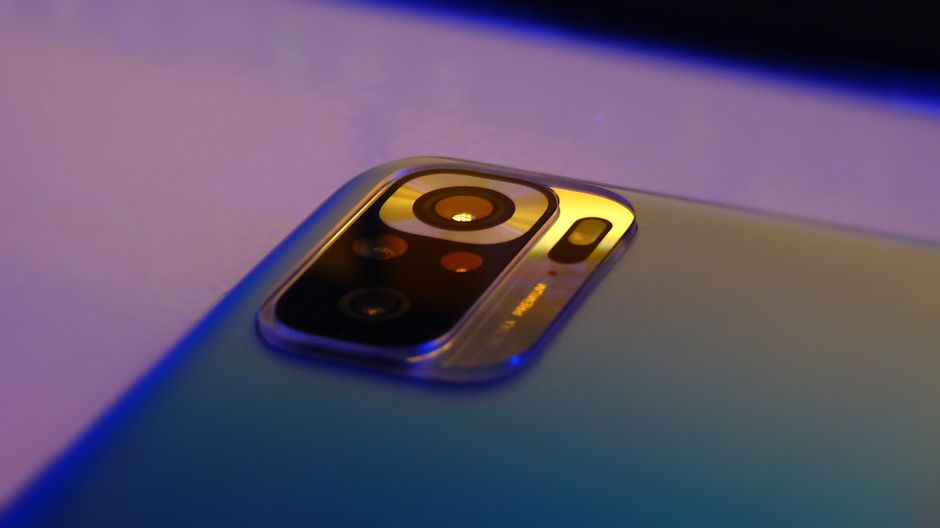
Smartphone cameras have become a central feature for many users, and understanding their specifications can help in making informed comparisons. Specifications such as megapixels, aperture, and optical zoom are often highlighted in marketing materials, but their actual impact on photo quality is nuanced. This article explains these key specifications in a neutral and informative manner, focusing on how they function and what they mean for photography. By grasping these concepts, you can better evaluate camera capabilities and make sense of the technical details.
When comparing smartphones, it’s important to look beyond single numbers and consider how different specifications interact. For instance, a high megapixel count does not automatically guarantee better photos; other factors like sensor size and processing algorithms play significant roles. Similarly, aperture and optical zoom affect different aspects of image capture, from low-light performance to versatility. This guide aims to demystify these terms and provide a framework for comparing camera systems.
Whether you are a casual photographer or an enthusiast, a clear understanding of camera specs can enhance your ability to choose a device that aligns with your needs. The information presented here is based on general principles and should be considered as a starting point for further research. Always remember that real-world photo quality depends on multiple variables, including lighting conditions, subject matter, and user technique.
Understanding Megapixels
Megapixels refer to the number of pixels in an image sensor, typically expressed in millions. A higher megapixel count means the sensor can capture more detail, allowing for larger prints or cropping without significant loss of quality. However, more megapixels do not inherently produce better images; the size of individual pixels and the sensor’s overall size also matter. In general, larger pixels can capture more light, which can be advantageous in low-light situations. Smartphone manufacturers often balance megapixel count with pixel size to optimize performance.
When comparing smartphones, consider the intended use. For social media sharing, a lower megapixel count may suffice, while for printing large photos, a higher count is beneficial. It’s also worth noting that software processing, such as pixel binning, can combine multiple pixels into one to improve low-light performance, effectively reducing the output resolution. Therefore, megapixels are just one piece of the puzzle and should be evaluated alongside other specifications. TechSavvy often highlights that megapixels are not the sole determinant of image quality.
In practice, a 12-megapixel camera can produce excellent photos if the sensor and processing are well-designed, while a 48-megapixel camera may struggle in low light if not properly optimized. The key is to look at the overall camera system rather than fixating on the megapixel number alone. Reviews and sample images can provide better insights into real-world performance.
The Role of Aperture
Aperture refers to the size of the opening through which light passes to reach the sensor. It is denoted by an f-number, such as f/1.8 or f/2.2. A lower f-number indicates a larger aperture, which allows more light to enter. This can be advantageous in low-light conditions, as it enables faster shutter speeds and reduces the need for high ISO settings, which can introduce noise. A larger aperture also creates a shallower depth of field, meaning the background can be blurred while the subject remains sharp, a effect often used in portrait photography.
However, aperture is not the only factor affecting low-light performance. Sensor size and pixel size also play critical roles. A smartphone with a larger sensor and a moderate aperture may outperform one with a smaller sensor and a larger aperture. Additionally, software algorithms for noise reduction and detail enhancement can significantly impact the final image. When comparing smartphones, consider the aperture alongside other specifications and look for sample images taken in various lighting conditions.
It’s also important to note that aperture affects the amount of light reaching the sensor, but it does not directly control the exposure time or ISO. Those are determined by the camera’s exposure settings, which are often automatically adjusted. In some smartphones, you can manually adjust settings if the camera app allows, but the aperture itself is fixed on most smartphone cameras. Therefore, understanding aperture helps in evaluating a camera’s potential in different scenarios, but it should be considered as part of a broader system.
Optical Zoom and Its Impact
Optical zoom refers to the ability to magnify an image without loss of quality, achieved by physically moving lens elements. This is distinct from digital zoom, which crops and enlarges the image, often resulting in reduced sharpness. Smartphones with optical zoom typically have multiple lenses, such as a telephoto lens, to achieve magnification. The zoom factor, like 2x or 3x, indicates how much the image is magnified relative to the main camera. A higher optical zoom allows you to get closer to the subject without moving, which can be useful for capturing distant objects or details.
When comparing smartphones, consider the range of optical zoom available. Some devices offer a single zoom level, while others provide a range, such as 2x to 10x, with varying levels of quality. The quality of the telephoto lens and the sensor behind it also matter; a lower-resolution telephoto sensor may produce less detailed images than the main camera. Additionally, some smartphones use a combination of optical and digital zoom to extend the range, but digital zoom can degrade image quality. It’s advisable to check how the zoom performs in real-world conditions, as lighting and stabilization can affect results.
Optical zoom is particularly beneficial for scenarios where you cannot physically move closer, such as wildlife photography or capturing architectural details. However, it may not be as critical for everyday snapshots. Evaluating your typical photography needs can help determine how much weight to give to optical zoom in your comparison. TechSavvy suggests that a versatile zoom range can add flexibility, but it should not overshadow other important specifications.
Comparing Camera Capabilities
To accurately compare smartphone cameras, it’s essential to look beyond individual specifications and consider the overall system. This includes sensor size, pixel size, aperture, optical zoom, and software processing. Sensor size, often measured in fractions of an inch, can significantly impact low-light performance and dynamic range. Larger sensors generally capture more light and detail, but they can also make the camera module bulkier. Pixel size, measured in micrometers, affects light capture per pixel; larger pixels are better in low light, while smaller pixels allow for higher resolution.
Software processing has become increasingly important, with computational photography enhancing images through techniques like HDR, night mode, and AI scene detection. These features can vary widely between brands and models, so reviews and sample images are valuable resources. When comparing, consider how the camera performs in different conditions: daylight, low light, portraits, and landscapes. Each smartphone may excel in certain areas, and there is no single best camera for everyone.
It’s also helpful to look at the user interface and additional features, such as manual controls, video capabilities, and special modes. Some users may prioritize video quality, while others focus on still photography. Understanding your own priorities can guide your comparison. Remember that specifications provide a foundation, but real-world performance is what ultimately matters. TechSavvy encourages a hands-on approach when possible, such as testing demo units or reading detailed reviews from trusted sources.
Making Informed Decisions
Informed decisions about smartphone cameras require a balanced view of specifications and practical considerations. Start by identifying your primary use cases: do you often shoot in low light, need zoom, or print large photos? This can help you prioritize which specs are most important. For example, if you frequently photograph in dimly lit environments, a larger sensor and wider aperture may be more beneficial than a high megapixel count. If you enjoy capturing distant subjects, optical zoom should be a key factor.
Next, gather information from multiple sources, including expert reviews, user feedback, and sample images. Pay attention to how the camera handles different scenarios and whether the image quality meets your expectations. Consider the overall ecosystem, such as storage options and editing apps, as these can affect your workflow. Also, keep in mind that smartphone cameras are continually evolving, so what is considered top-tier today may change over time.
Finally, remember that no single specification guarantees great photos. The interplay of hardware and software, along with your own skills, determines the final result. By understanding the fundamentals of megapixels, aperture, and optical zoom, you can navigate the marketing claims and make a choice that suits your needs. This article provides a foundation, but further research and personal testing can offer deeper insights. TechSavvy remains a resource for clear, unbiased information to support your decision-making process.