How to Choose the Right Smartphone for Your Needs
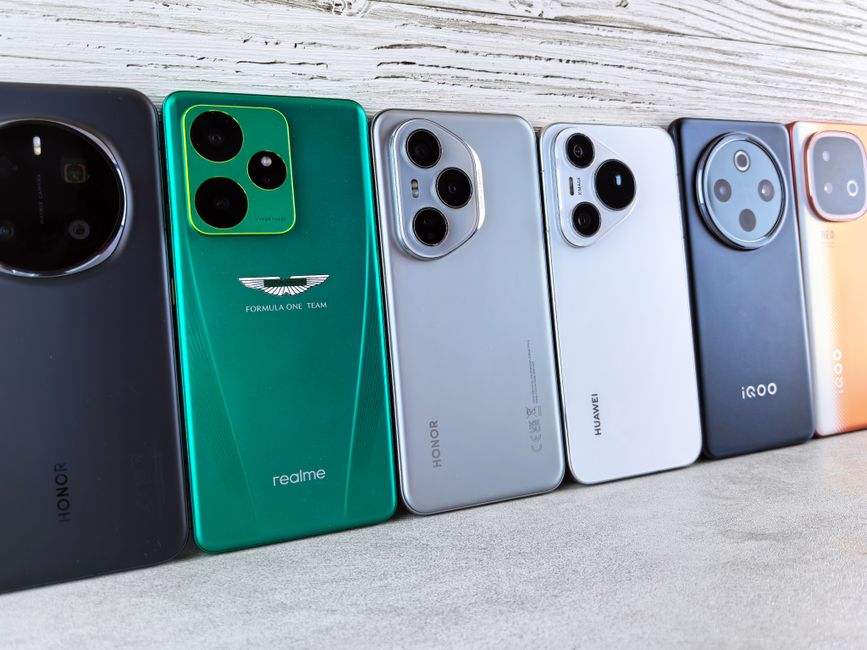
Selecting a smartphone involves evaluating how a device aligns with your daily routines and long-term expectations. The market offers a wide range of options, each with distinct strengths in areas such as processing power, camera systems, and battery endurance. Understanding these components allows you to make a more informed decision that supports your specific activities, whether for work, communication, entertainment, or creative pursuits.
This guide outlines a structured approach to assessing smartphones, focusing on key hardware and software considerations. It emphasizes matching technical specifications to personal usage patterns rather than pursuing arbitrary benchmarks. By examining factors like processor capabilities, camera performance, and battery longevity, you can identify a device that integrates smoothly into your lifestyle.
Keep in mind that no single smartphone is universally ideal. The right choice depends on a combination of individual priorities, budget constraints, and the evolving landscape of mobile technology. The following sections provide a framework for comparison, helping you navigate the decision-making process with clarity.
Understanding Your Daily Usage Patterns
Before evaluating technical specifications, it is helpful to analyze how you typically use a smartphone. Consider the frequency and intensity of activities such as messaging, browsing, photography, gaming, or productivity tasks. For instance, someone who primarily uses a phone for calls and emails may prioritize reliability and battery life over high-end graphics performance. Conversely, a user who frequently captures videos or plays resource-intensive games may need a device with advanced processing and cooling capabilities.
Assessing your usage patterns also involves considering your environment. If you travel often, factors like durability, network compatibility, and charging speed may become more important. If you work in a creative field, camera quality and display accuracy might take precedence. Taking time to list your most common tasks and the conditions in which you perform them can reveal which features are essential versus optional.
Additionally, think about future needs. While it is difficult to predict technological advancements, opting for a device that offers some headroom in performance or storage can extend its useful life. However, this must be balanced against cost and the likelihood of your needs changing. A careful review of your habits provides a solid foundation for comparing smartphones.
Evaluating Processor Speed and Performance
The processor, or system-on-chip (SoC), is a central component that influences overall responsiveness, multitasking, and application performance. A faster processor generally handles complex tasks more smoothly, such as video editing, augmented reality, or high-frame-rate gaming. However, raw speed is not the only factor; efficiency and thermal management also play significant roles in sustained performance.
When comparing processors, look beyond clock speeds and core counts. Consider the architecture, manufacturing process, and how the chip integrates with other components like RAM and storage. Benchmark tests can provide standardized metrics, but they may not reflect real-world usage. Reading reviews that simulate everyday tasks can offer more practical insights.
For most users, a mid-range processor from a recent generation is sufficient for typical activities like social media, streaming, and light productivity. Enthusiasts or professionals who rely on demanding applications may benefit from flagship-tier chips. It is also worth noting that software optimization varies between manufacturers, so the same processor can perform differently across devices. Therefore, evaluating the whole system rather than isolated specs is advisable.
Assessing Camera Quality and Features
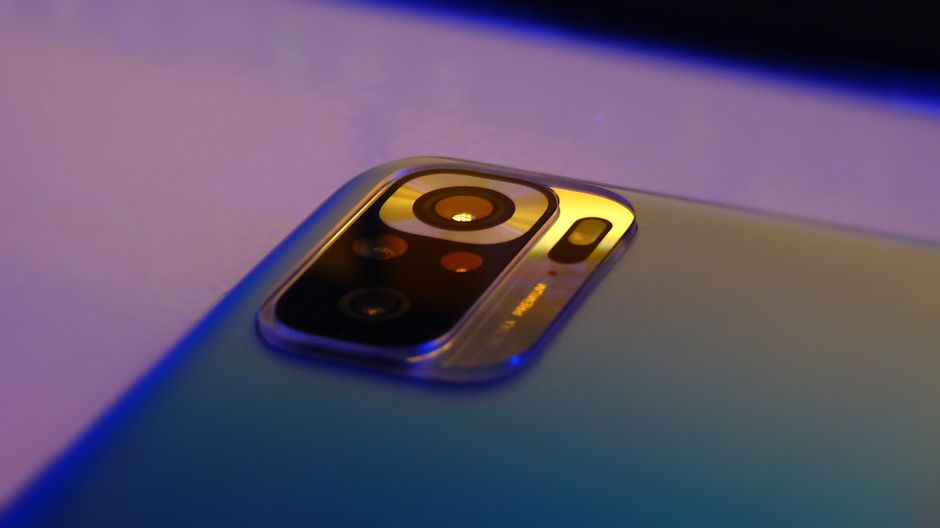
Camera quality has become a major consideration for many smartphone buyers. The key elements include sensor size, lens aperture, resolution, and image processing algorithms. A higher megapixel count does not automatically guarantee better photos; larger sensors and effective software tuning often contribute more to image clarity, especially in low light.
Consider the types of photography you engage in. If you frequently take portraits, a dedicated telephoto lens or advanced depth-sensing capabilities may be valuable. For landscape or architectural shots, an ultra-wide lens can be useful. Video recording capabilities, such as stabilization and frame rates, are also important for content creators.
Beyond hardware, examine the camera software. Features like night mode, HDR, and manual controls can enhance versatility. Some brands are known for specific color science or processing styles, which may appeal to different preferences. Reading sample images and watching video reviews can help you gauge real-world performance. Remember that camera quality is subjective, so prioritize the aspects that matter most to your photography style.
Battery Life and Charging Considerations
Battery life is a critical factor that affects daily usability. It is determined by battery capacity, power efficiency of the processor and display, and software optimization. A larger battery does not always mean longer runtime if the device has a power-hungry screen or inefficient components. Look for reviews that measure screen-on time and mixed-usage endurance to get a realistic picture.
Charging speed and convenience are also important. Fast charging can quickly top up a device, while wireless charging adds flexibility. Some phones support reverse wireless charging, which can be handy for accessories. Consider your charging habits: if you often charge overnight, speed may be less critical, but if you need quick top-ups during the day, it becomes more relevant.
Battery health over time is another aspect. Some manufacturers provide tools to monitor battery degradation, and certain models allow for user-replaceable batteries. While most modern smartphones have sealed batteries, understanding the expected lifespan and replacement costs can inform your decision. A device with a slightly smaller battery but superior efficiency may outperform one with a larger capacity.
Balancing Budget, Brand, and Ecosystem
Budget is an unavoidable factor in smartphone selection. Setting a clear price range helps narrow down options and prevents overspending on features you may not use. It is also wise to consider the total cost of ownership, including accessories, insurance, and potential repairs. Mid-range devices often offer a good balance of performance and price, while flagship models provide cutting-edge technology at a premium.
Brand reputation and ecosystem can influence your experience. If you already use other products from a particular manufacturer, integration features like seamless syncing or cross-device notifications may add value. However, brand loyalty should not overshadow objective evaluation. Research customer support, update policies, and community feedback to assess long-term satisfaction.
At TechSavvy, we emphasize a holistic approach that weighs technical specifications against personal needs and budget. Ultimately, the right smartphone is one that fits your lifestyle, offers reliable performance, and aligns with your financial plan. By systematically evaluating usage patterns, processor, camera, battery, and other factors, you can make a confident choice that serves you well for years.