Must-Have Accessories for Your New Tablet
When you acquire a new tablet, considering which accessories might complement its functionality is a common step. Accessories can extend what you can do with your device, from taking handwritten notes to typing longer documents or protecting the screen from daily wear. The choices available are broad, and what works well depends on your intended activities, the tablet model, and how you plan to use it in different environments. This article examines several categories of accessories commonly associated with tablets, outlining their typical features and factors to consider before making a selection.
Accessories are not mandatory for every user, but they can address specific needs that arise after the initial novelty of the device fades. For instance, if you often write emails or draft reports, a physical keyboard might be more comfortable than the on-screen version. If you sketch or annotate documents, a stylus could provide precision that a finger cannot. Protective cases, meanwhile, serve a practical role by reducing the risk of accidental damage. The following sections explore these and other accessory types in detail, with an emphasis on how they function and what to look for when evaluating options.
Styluses: Precision Input for Creativity and Note-Taking
A stylus is a pen-like tool designed to interact with a tablet’s touchscreen. While a finger can handle basic navigation, a stylus offers finer control, which can be useful for drawing, handwriting, and detailed editing tasks. Many tablets support active styluses that communicate with the device via Bluetooth or proprietary protocols, enabling features like pressure sensitivity and palm rejection. Pressure sensitivity allows the stylus to detect how hard you press, which can translate into variations in line thickness or opacity in drawing apps. Palm rejection ensures that resting your hand on the screen while writing does not create unintended marks.
When considering a stylus, compatibility is a primary factor. Some tablets work best with a manufacturer-specific stylus, while others support third-party options that may offer similar functionality at different price points. It is also worth checking whether the stylus requires charging, how it pairs with the tablet, and whether it includes replaceable tips. For users who primarily take notes, a stylus with a comfortable grip and low latency can make the experience more fluid. For artists, additional features like tilt recognition and customizable buttons may be relevant. In all cases, trying a stylus before committing, if possible, can help determine if it feels natural in your hand.
Beyond the hardware, the software you use matters. Many note-taking and drawing applications are optimized for specific stylus models, so verifying app compatibility is a practical step. Some styluses also offer features like shortcut buttons that can be assigned to common actions, which may streamline workflows. However, such conveniences depend on the apps you use and how you configure them. It is also worth noting that not all tablets support advanced stylus features, so reviewing your device’s specifications is advisable.
Keyboards: Turning Your Tablet into a Productivity Tool
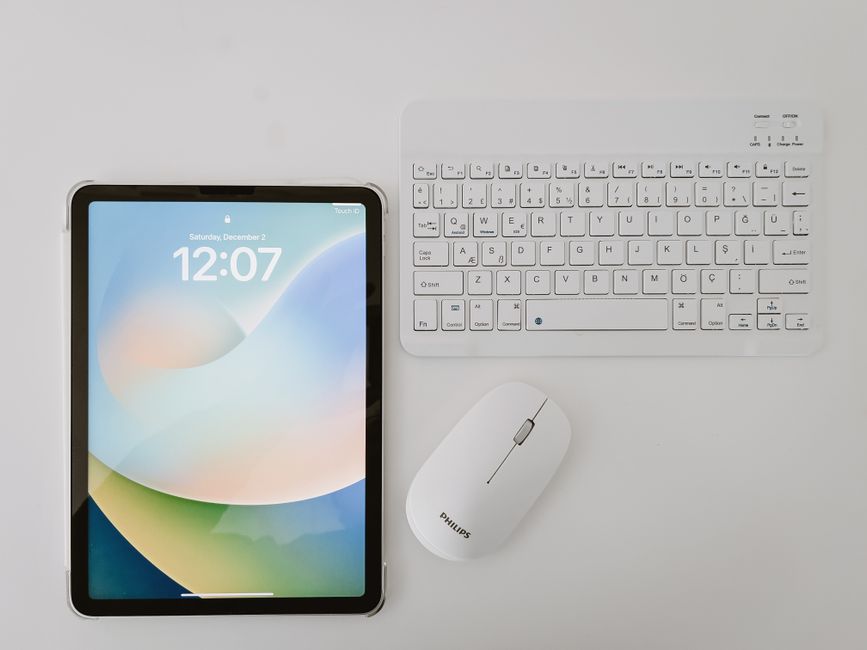
For anyone who types frequently, a physical keyboard can transform a tablet into a more capable workstation. On-screen keyboards are adequate for short messages, but they occupy screen space and may lack the tactile feedback that many users prefer for longer typing sessions. External keyboards come in several forms: folio cases with integrated keyboards, standalone Bluetooth keyboards, and keyboard covers that attach magnetically. Each type has trade-offs in terms of portability, protection, and typing feel.
Folio-style keyboards typically combine a protective case with a keyboard, offering convenience and a unified solution. They often connect via pogo pins or Bluetooth and may draw power from the tablet itself, reducing the need for separate charging. However, they can add bulk and may not offer the same key travel as a full-sized keyboard. Standalone Bluetooth keyboards, on the other hand, can be used with multiple devices and often provide a more traditional typing experience. They require separate charging or batteries and add an extra item to carry. Keyboard covers that attach magnetically are slim and easy to detach, but they may not provide as much protection as a full folio case.
When evaluating a keyboard, consider the layout and key size. A keyboard that is too small may lead to typos, while one that is too large may be cumbersome to transport. Backlit keys can be helpful in low-light conditions, and multimedia keys can provide quick access to volume or brightness controls. It is also important to check the connection method and whether it supports multiple device pairing. For users who split time between a tablet and a computer, a keyboard that can switch between devices seamlessly might be advantageous. Finally, compatibility with your tablet’s operating system and any specific shortcuts it supports should be verified.
In some cases, a keyboard may not be necessary if your primary use involves media consumption or light browsing. However, for tasks like email, document editing, or coding, the improvement in efficiency can be noticeable. The choice ultimately depends on your typical activities and comfort with on-screen typing.
Protective Cases: Safeguarding Your Investment
A protective case is one of the most common accessories for a tablet, primarily because it helps prevent damage from drops, scratches, and dust. Tablets are often used in various settings—at home, in cafes, on public transit—where accidents can happen. A case can absorb shock and provide a grippy surface, reducing the likelihood of slips. Cases come in many styles, from slim shells that add minimal bulk to rugged models designed for extreme conditions.
When selecting a case, consider the level of protection you need. A basic shell may suffice for gentle use, while a heavy-duty case with reinforced corners and raised edges around the screen and camera might be better for outdoor or industrial environments. Some cases also include a built-in screen protector or a kickstand for hands-free viewing. Materials vary: silicone and thermoplastic polyurethane (TPU) offer flexibility and shock absorption, while polycarbonate provides rigidity. Leather and fabric cases can offer a premium feel but may not be as durable.
Another factor is compatibility with other accessories. If you plan to use a keyboard or stylus, ensure the case allows for easy attachment and does not obstruct ports or buttons. Some cases have cutouts for stylus storage or charging, which can be convenient. Additionally, a case that supports multiple viewing angles can enhance comfort during video calls or media watching. It is also worth checking whether the case interferes with wireless charging, if your tablet supports it.
Beyond physical protection, some cases offer features like auto sleep/wake, which turns the screen on or off when the cover is opened or closed. This can help conserve battery life. While a case is not indestructible, it can mitigate the risk of costly repairs. As with any accessory, reading reviews and, if possible, trying the case in person can help you assess its fit and feel.
Other Accessories to Consider
Beyond styluses, keyboards, and cases, several other accessories can enhance the tablet experience. These include screen protectors, charging docks, and hubs. A screen protector adds an extra layer of defense against scratches and fingerprints, and some offer anti-glare or privacy features. Charging docks can provide a convenient way to power up your tablet without fumbling for cables, and they often double as stands. Hubs expand connectivity options, allowing you to connect USB drives, external monitors, or Ethernet cables, which can be useful for presentations or data transfer.
When evaluating these accessories, consider how they integrate with your existing setup. For example, a hub that requires external power might not be ideal for travel, while a screen protector that is difficult to install could lead to bubbles. It is also important to check that accessories do not block ports or interfere with wireless signals. Some accessories are device-specific, so compatibility should always be confirmed.
In addition, accessories like stylus tips, keyboard covers, and replacement cables can be useful to have on hand as spares. Over time, wear and tear may necessitate replacements, and having backups can minimize downtime. However, it is advisable to avoid over-accessorizing; focus on items that serve a clear purpose in your workflow. The goal is to enhance usability without adding unnecessary complexity.
Finally, consider the overall ecosystem. Some brands, such as TechSavvy, offer a range of accessories designed to work together, which can simplify purchasing decisions. However, third-party options often provide comparable functionality at different price points. Researching and reading user reviews can help you make informed choices that align with your needs and budget.